
India Immersion Programme (IIP)
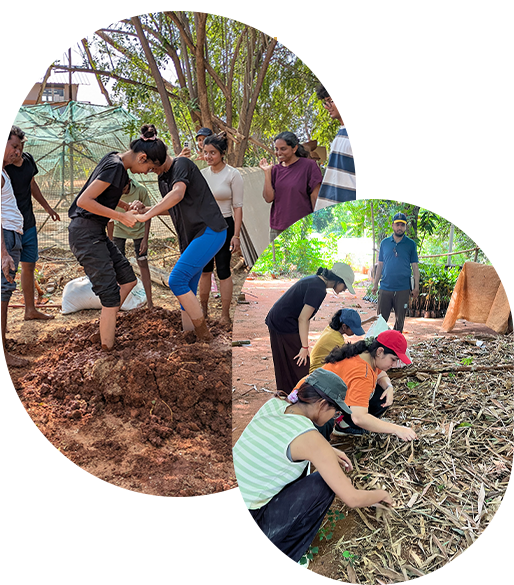
Beyond the Classroom. Into the Heart of India.
The India Immersion Programme (IIP) is a mandatory immersive residential programme organised during the winter for the first-year undergraduate students. It provides an opportunity to step away from the routines and expectations of urban life and immerse themselves in a way of life that allows a deep connection with nature and a reconnection with silence, reflection, intuition and the shared rhythm of living that nurtures friendship, cooperation, and a sense of belonging.
What is IIP
The Core Experience
The India Immersion Programme (IIP) is an 8-to-10-day curated, out-of-campus residential field course. Designed by the School of Liberal Arts and Sciences (SoLAS) in collaboration with Journeys with Meaning, this winter immersion brings classroom theory to life at the grassroots level.
The Three Pillars of Immersion
- Getting exposed to new perspectives about life, work, and community.
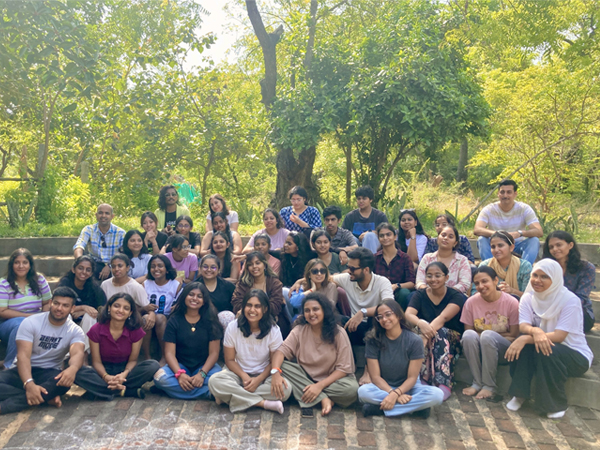
- Immersive engagement with each other and local communities
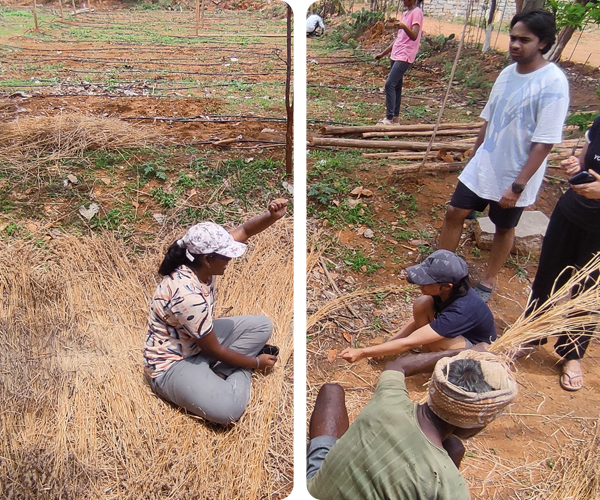
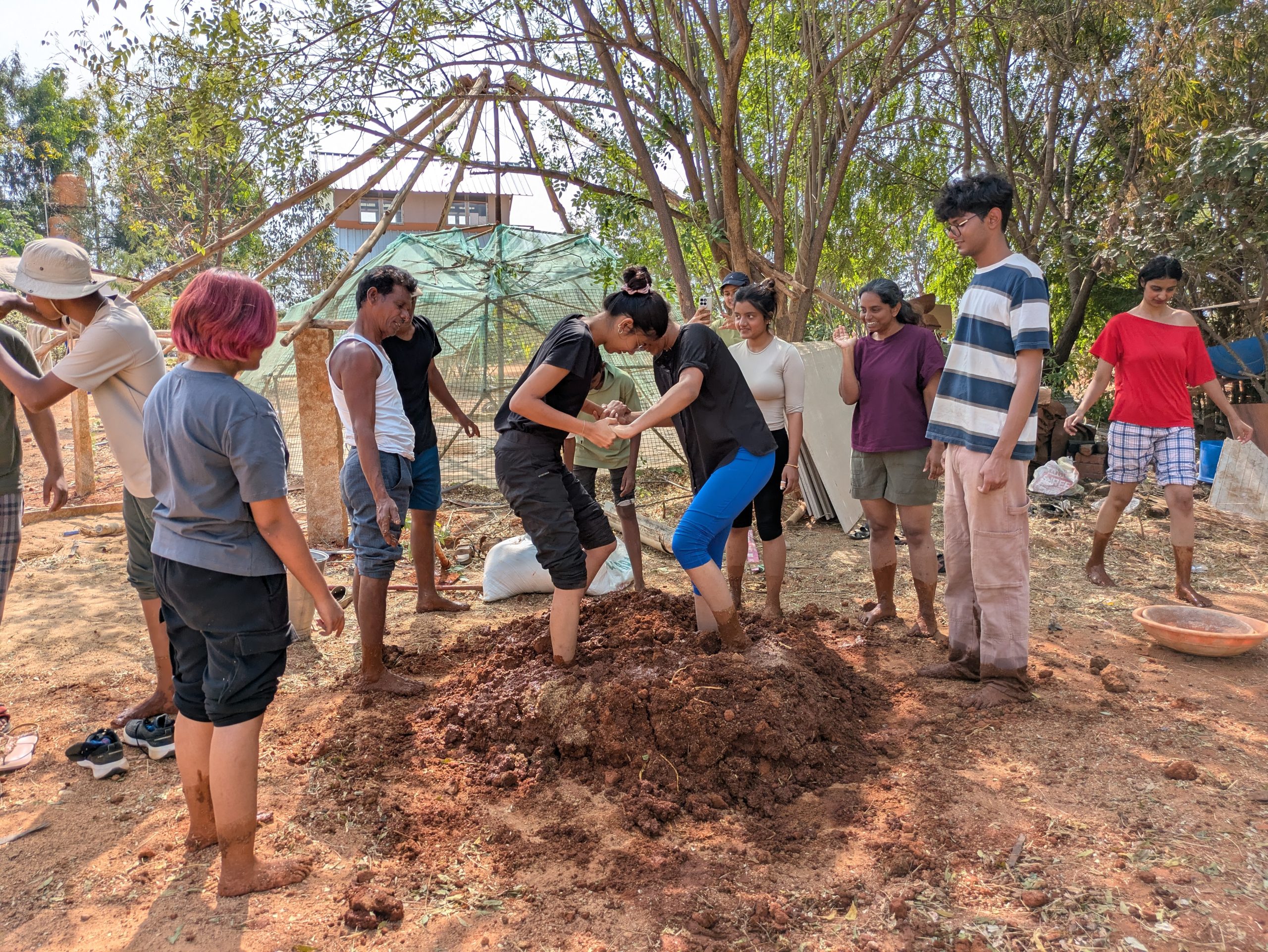
- Teamwork and hands-on work through ‘missions’
Why We Go
Programme Objectives
Uncover Grassroots Realities: To deepen students’ understanding and appreciation of the social, political, cultural, and environmental realities of the country at the grassroots level.
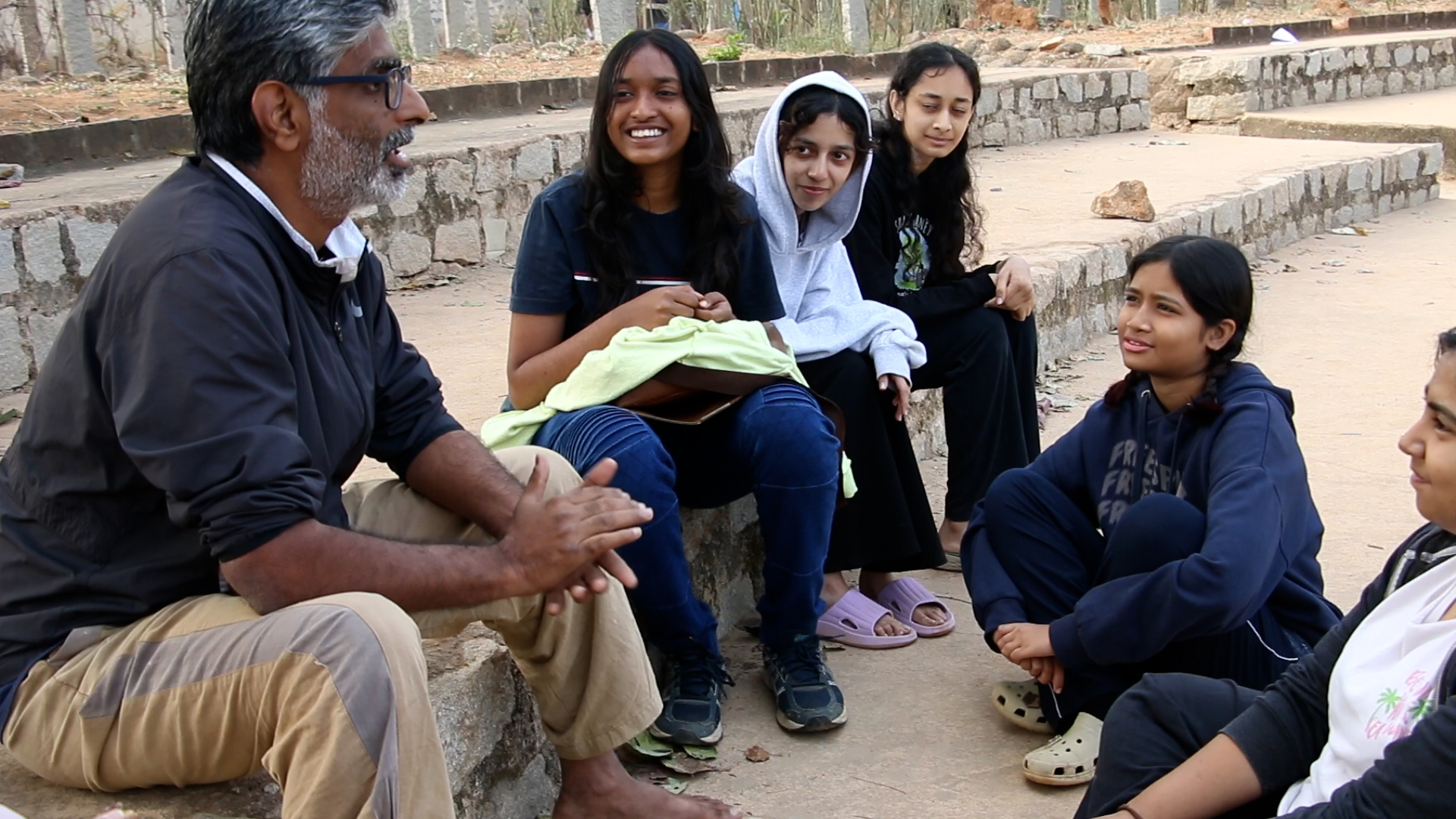
Learn from Catalysts: To provide students with opportunities to engage with and learn from individuals, communities, and organisations that serve as innovators and catalysts for social change.
Decode Impact Principles: To understand the principles, values, and approaches that guide the work of these individuals and organisations, and the motivations underpinning their efforts.
Reflect & Situate Yourself: To encourage students to critically reflect on their own values, assumptions, and aspirations, and to situate themselves in relation to the diverse value systems, frameworks, and worldviews encountered through the field course.
What You Gain
Learning Outcomes
Grounded Awareness: An informed understanding of the social, cultural, political, and environmental realities of the people the students engage with.
Critical Evaluation: Critically examine the principles, values, and approaches adopted by individuals and organisations working towards social change.
Self-Realization: Reflect on assumptions and positionalities, developing self-awareness in relation to ideas encountered during immersion, and appreciate and/or creatively engage with diverse, competing and complementary worldviews.
Collaborative Leadership: Demonstrate empathy, teamwork, and respectful engagement through collaborative living and experiential learning.
Voices of Immersion
Student Testimonials
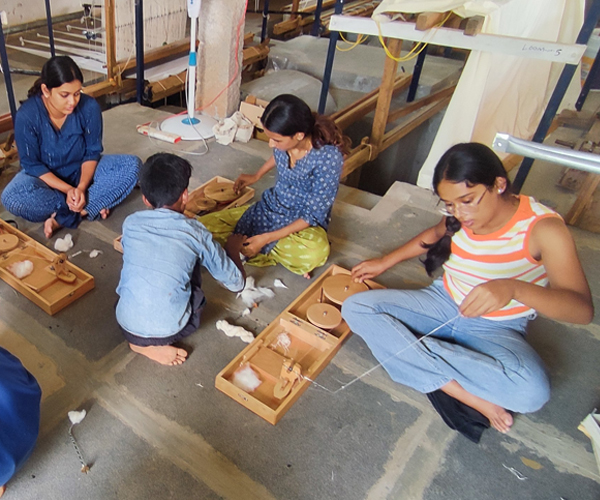
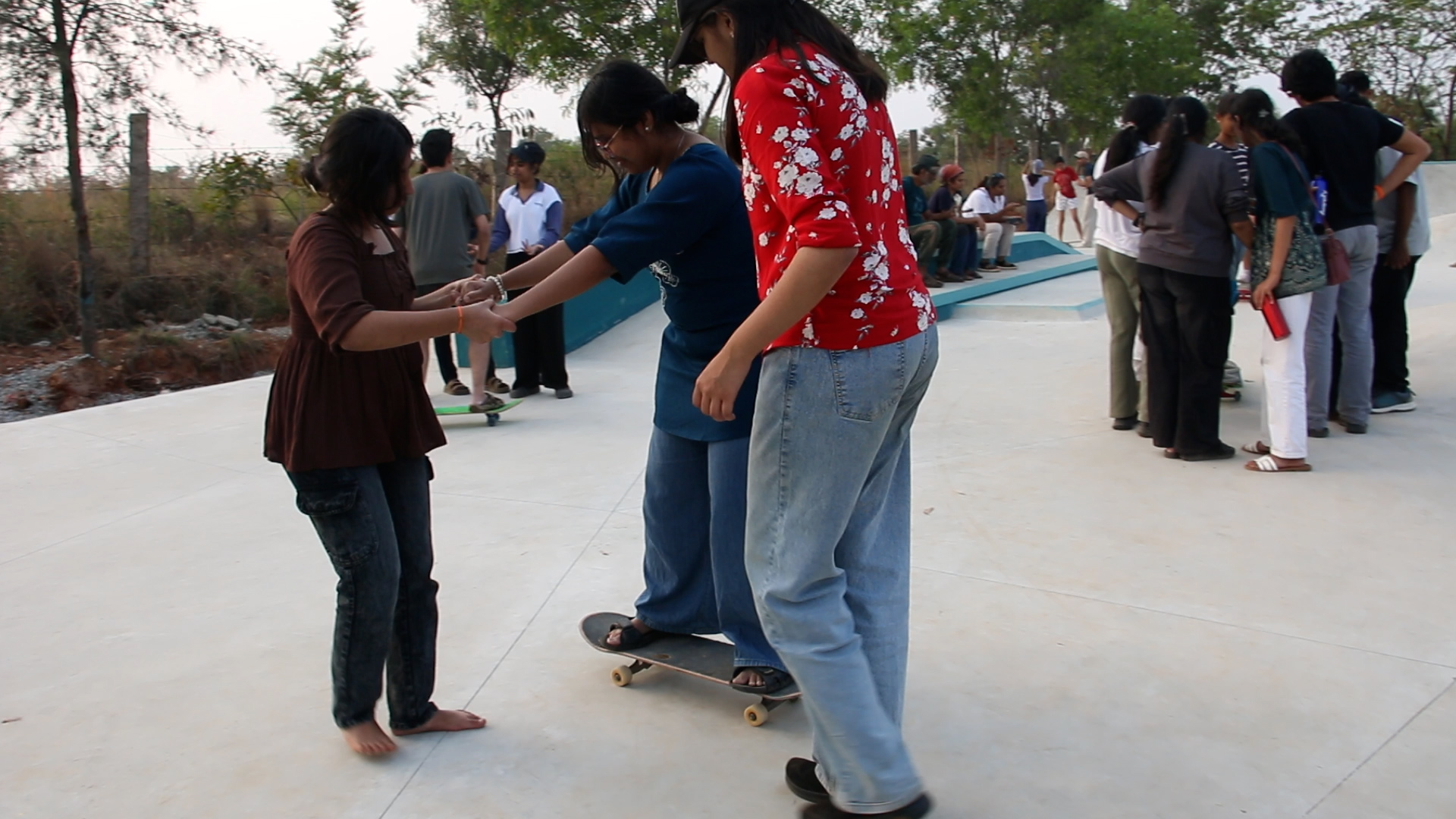
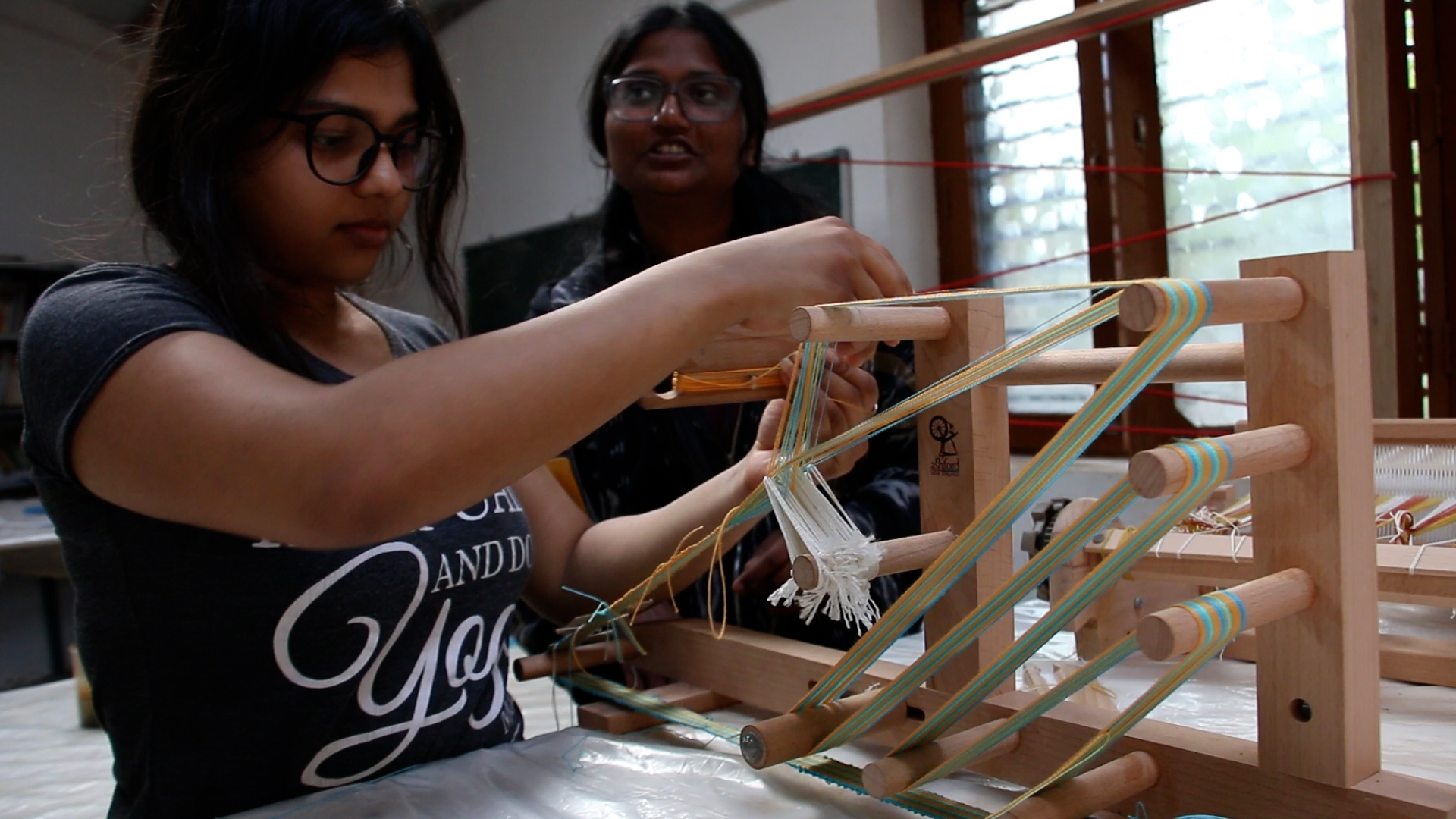
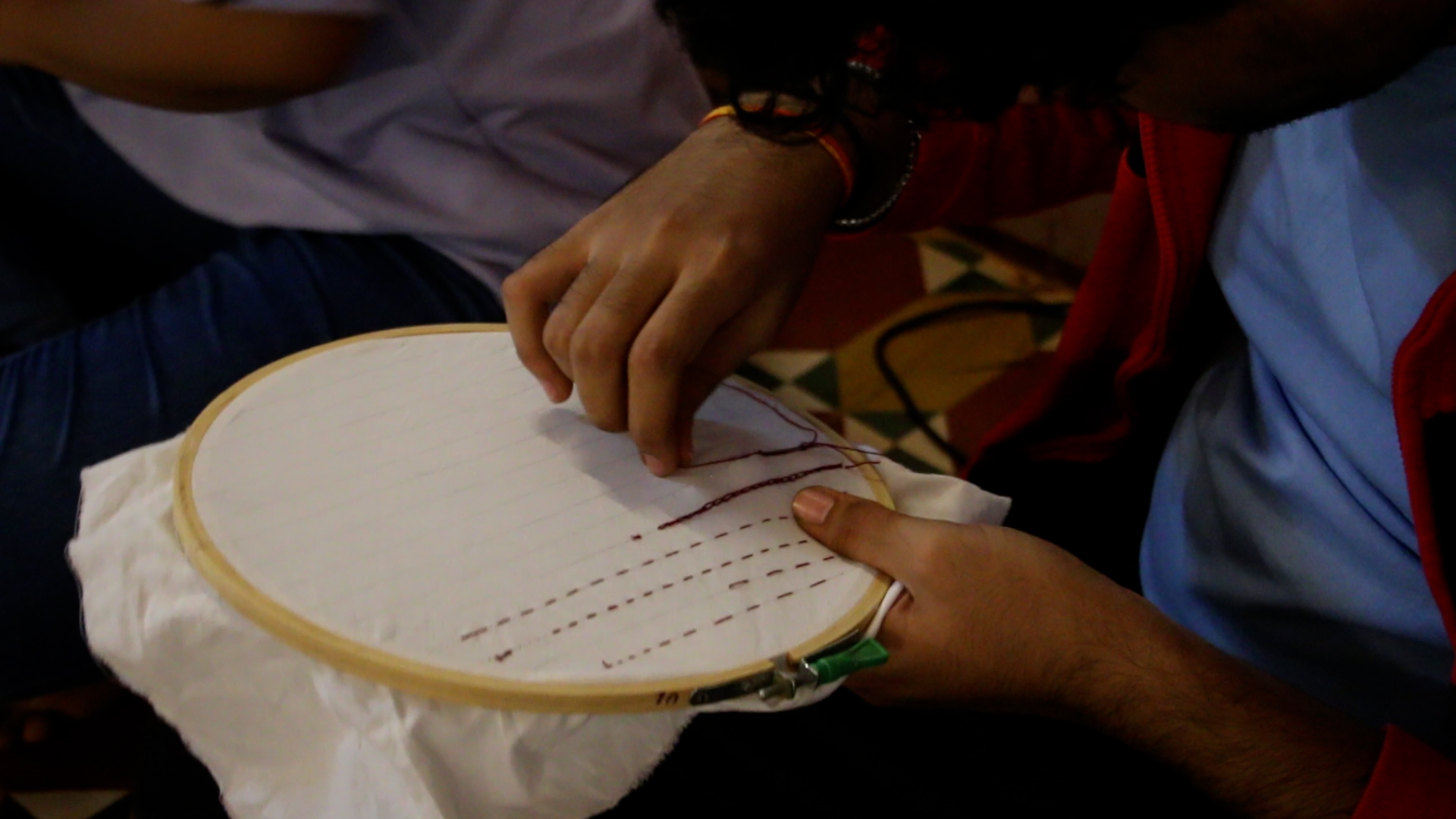
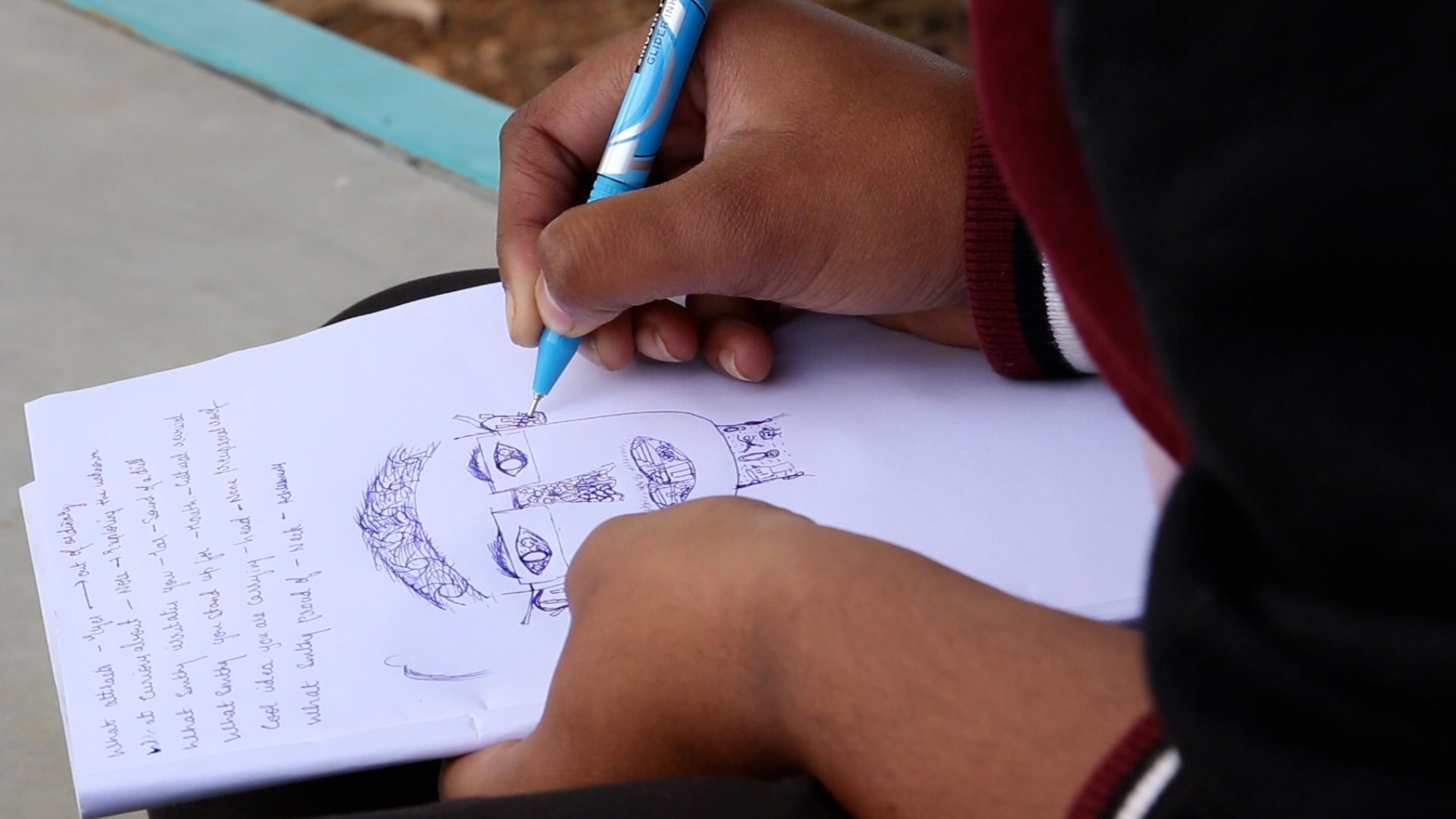
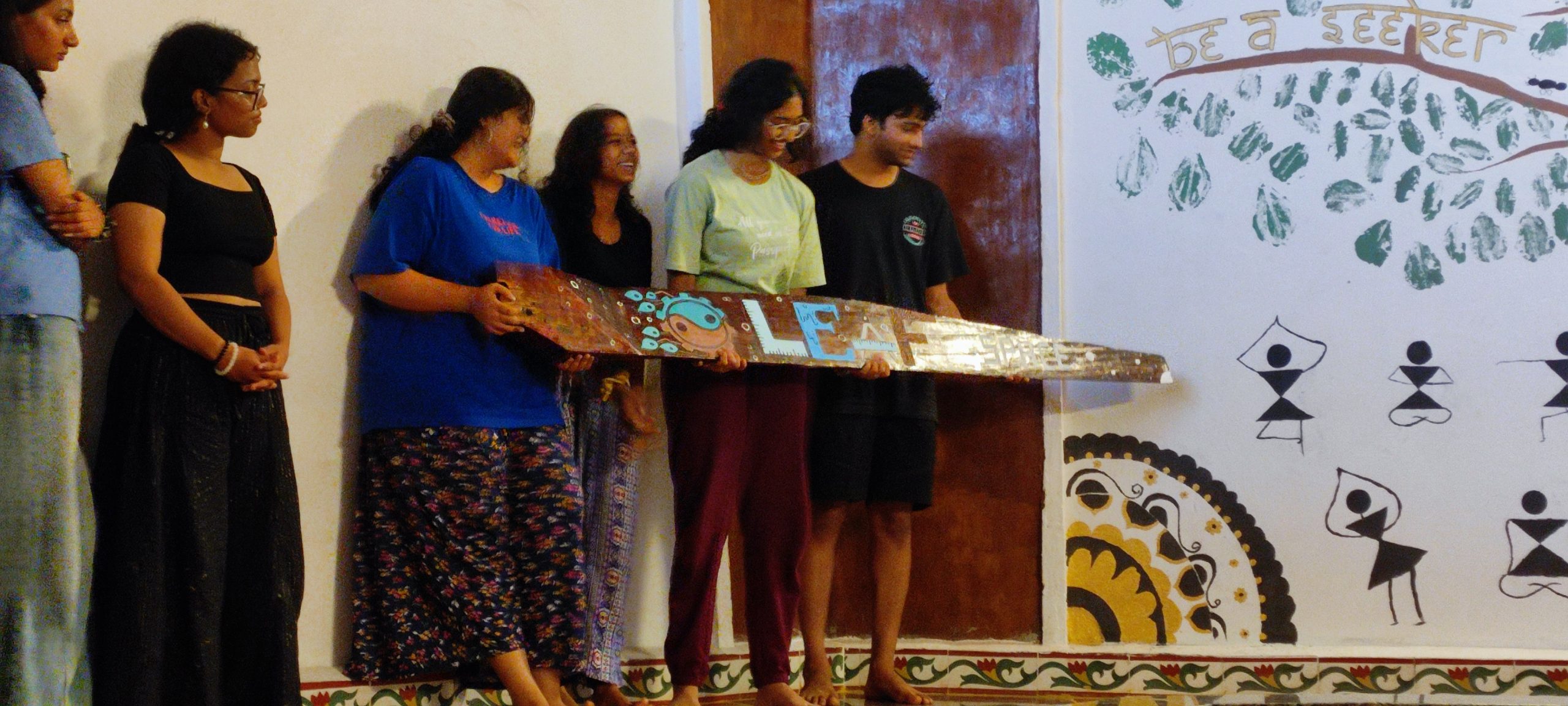
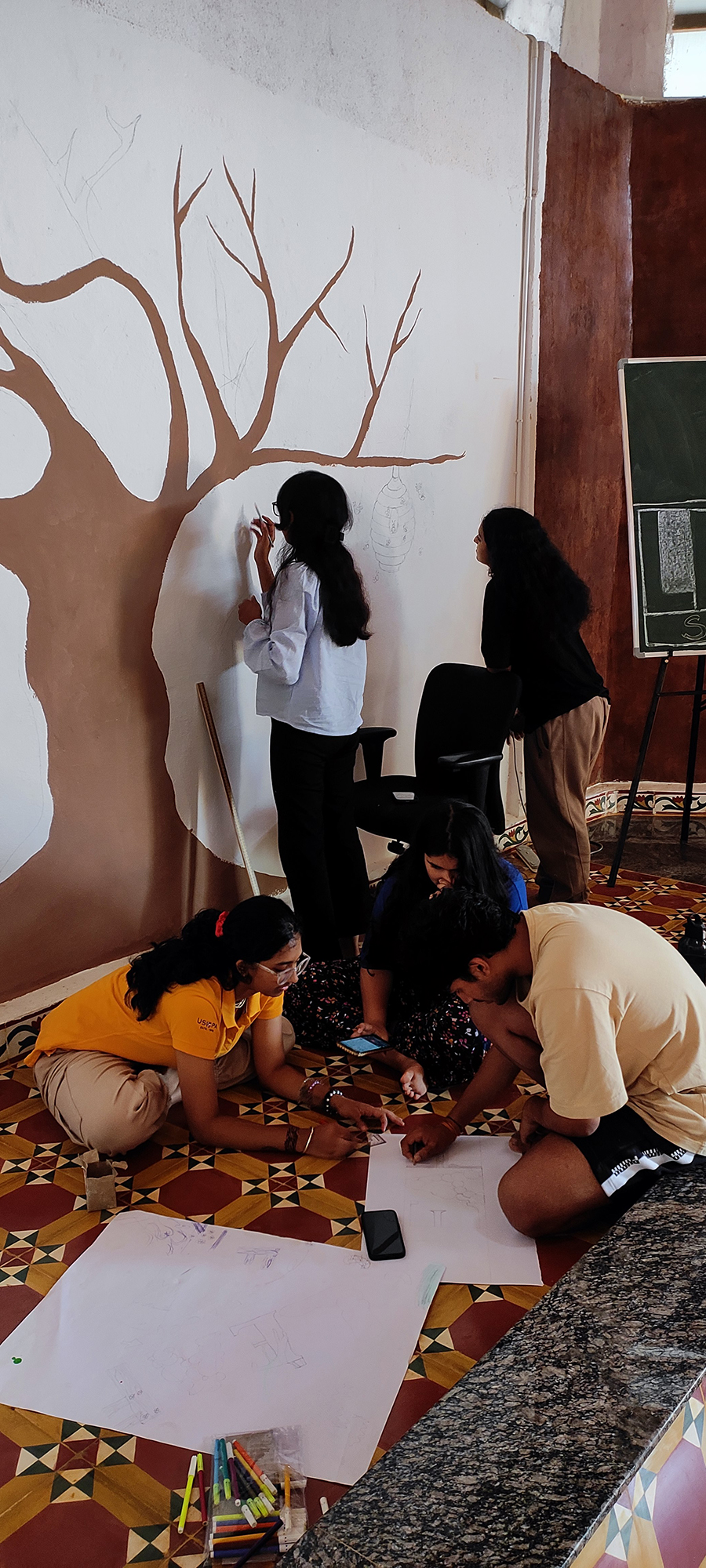
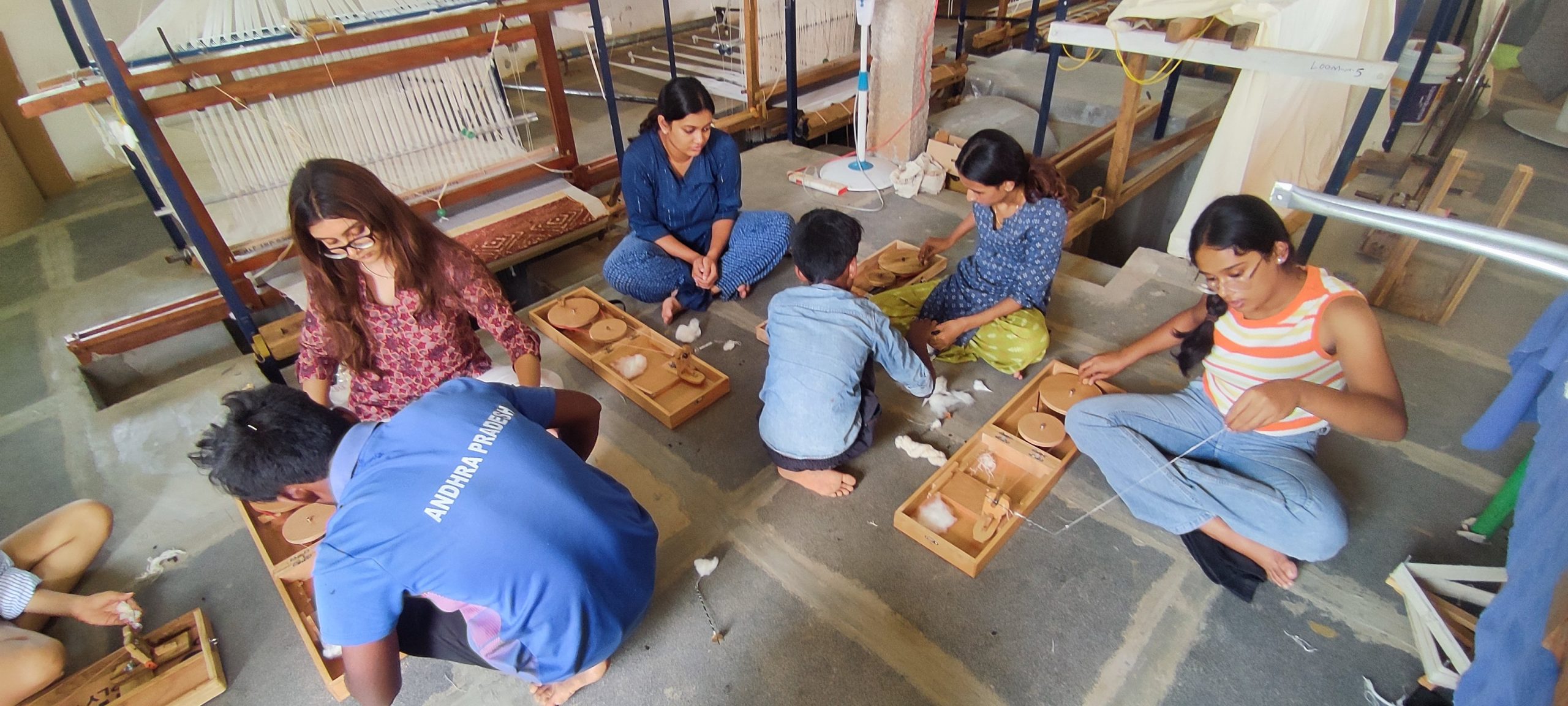
Moments from the Field
A visual archive of community, connection, and growth across our program locations.
IIP 2026 (Proto Village, Andhra Pradesh)
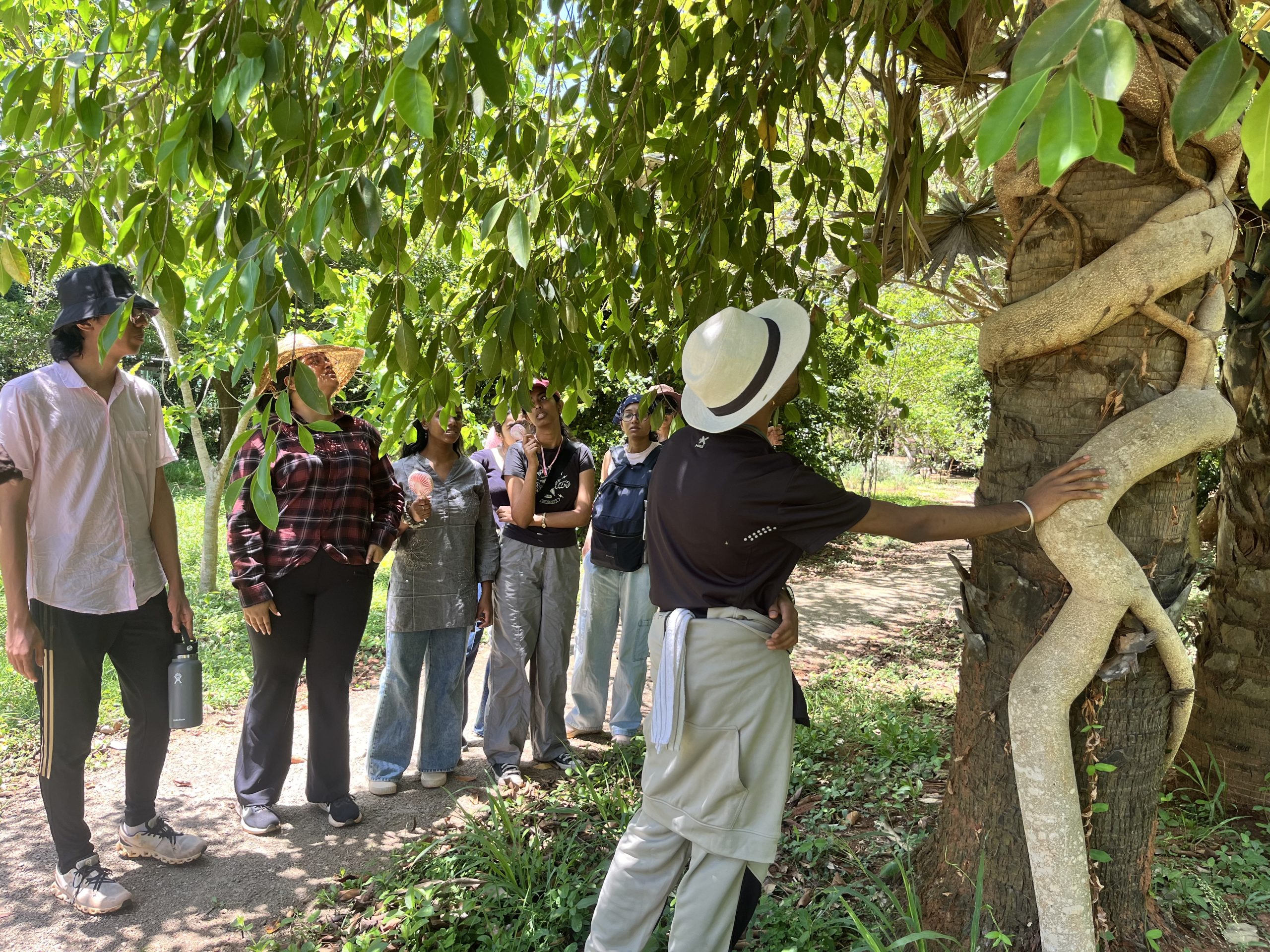
IIP 2025 (Auroville, Tamil Nadu)
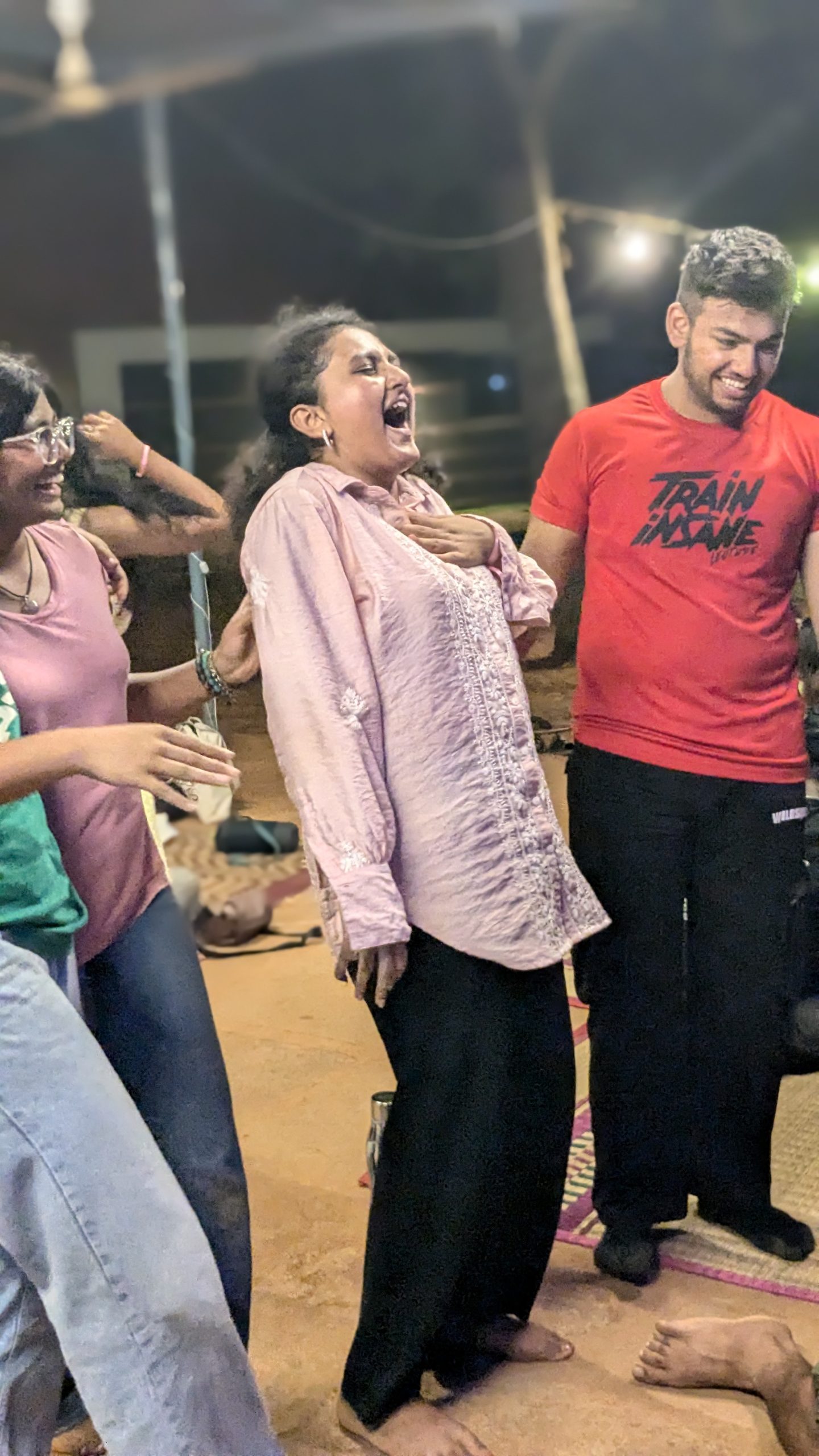
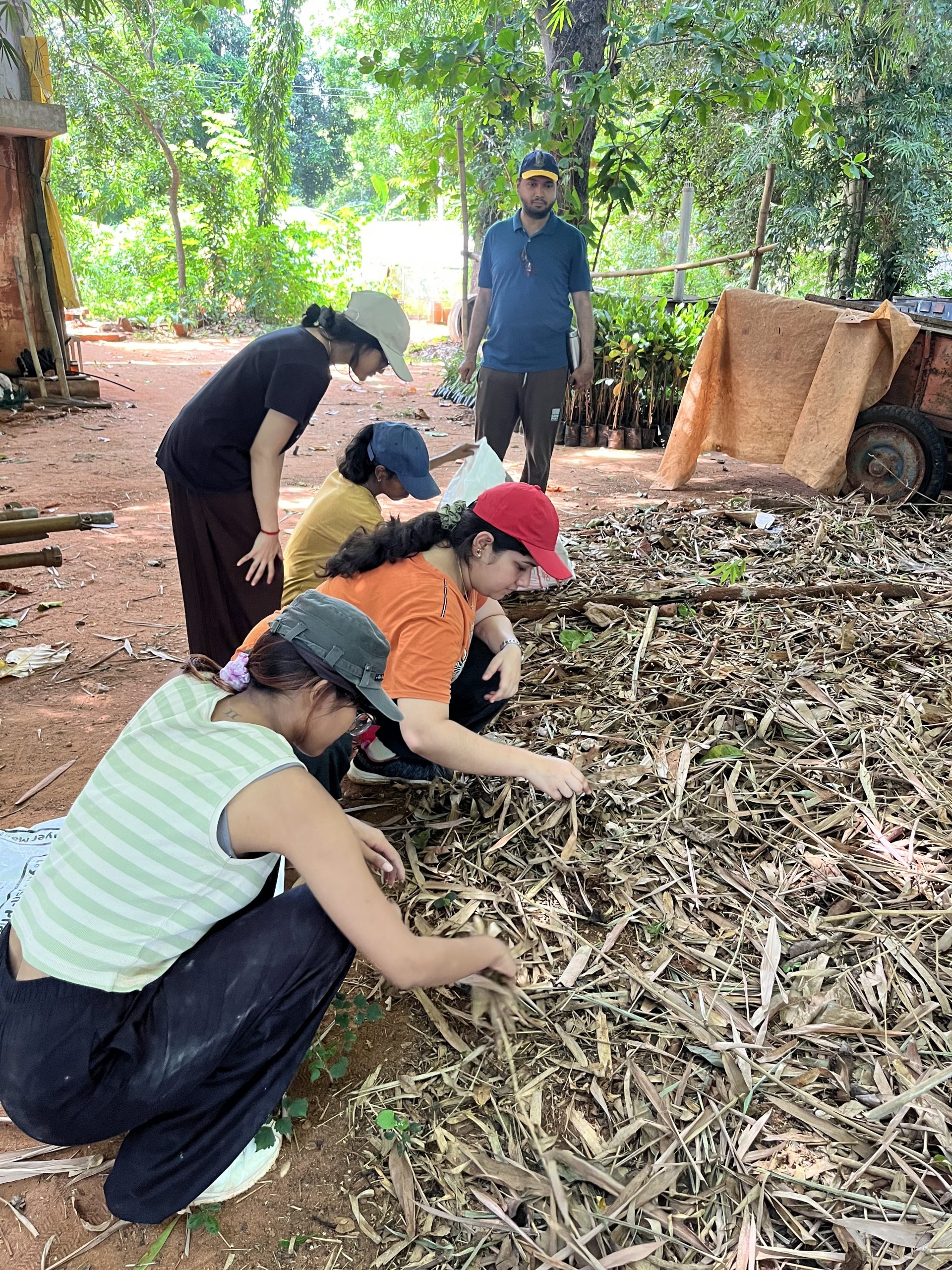
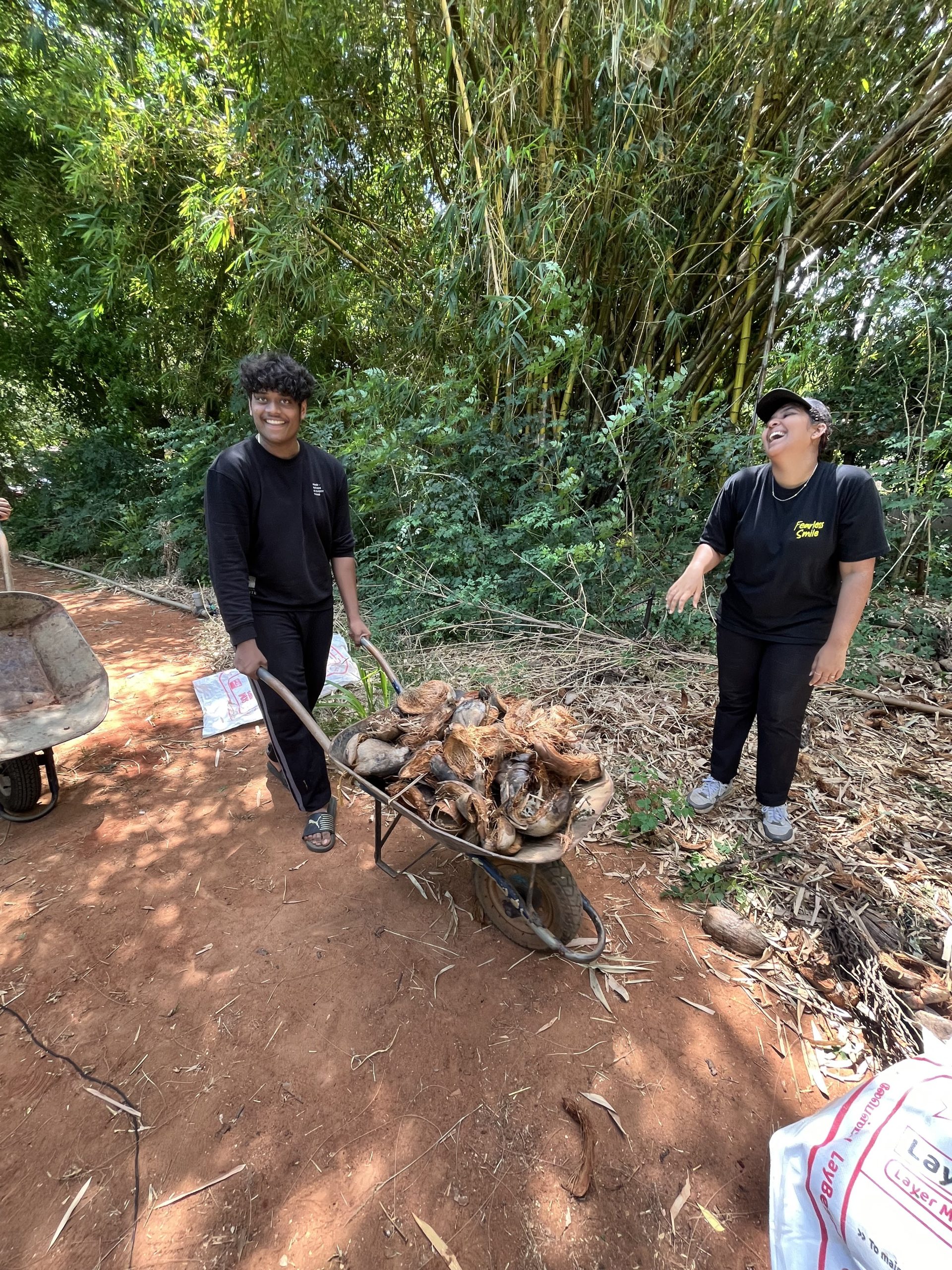
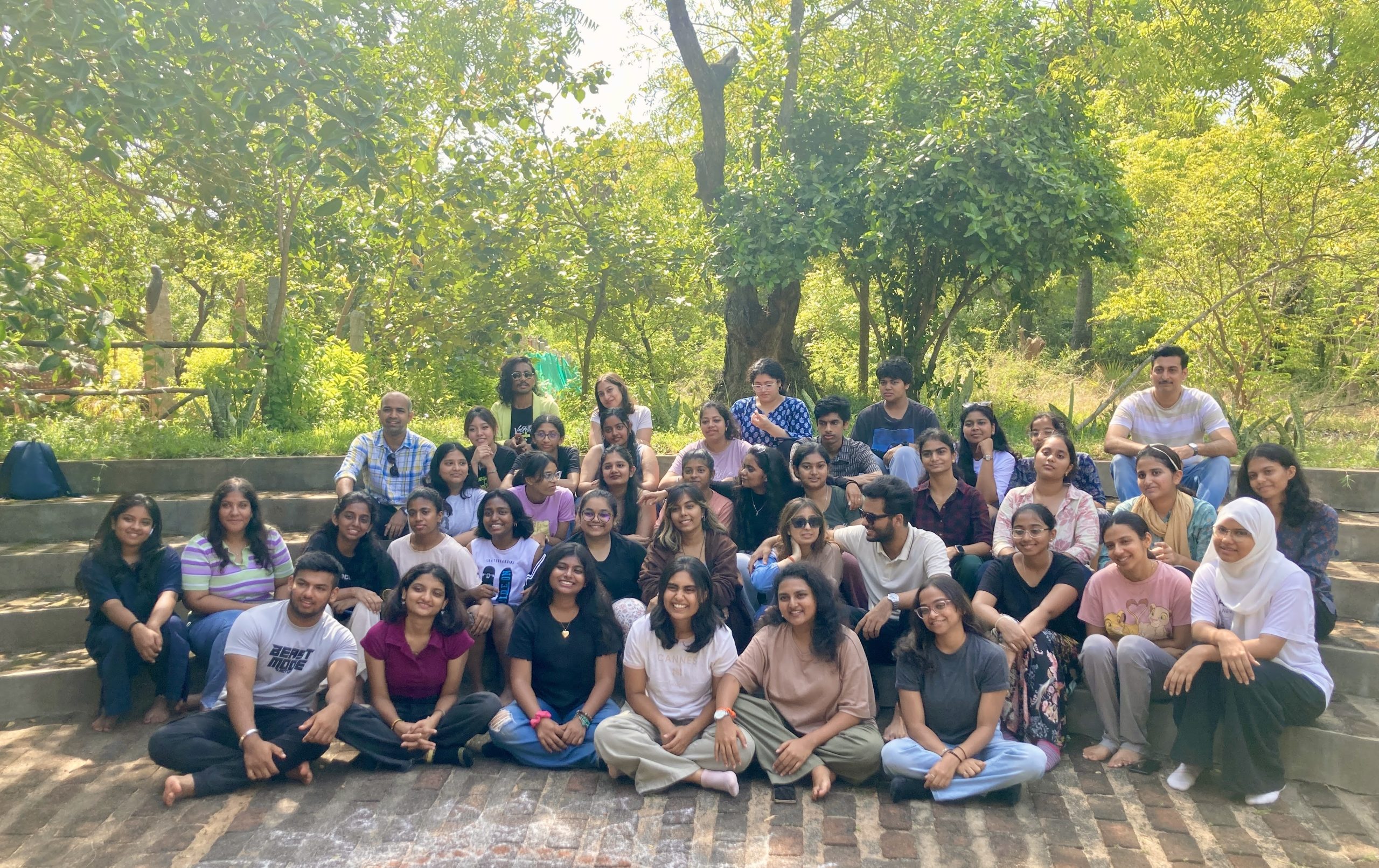
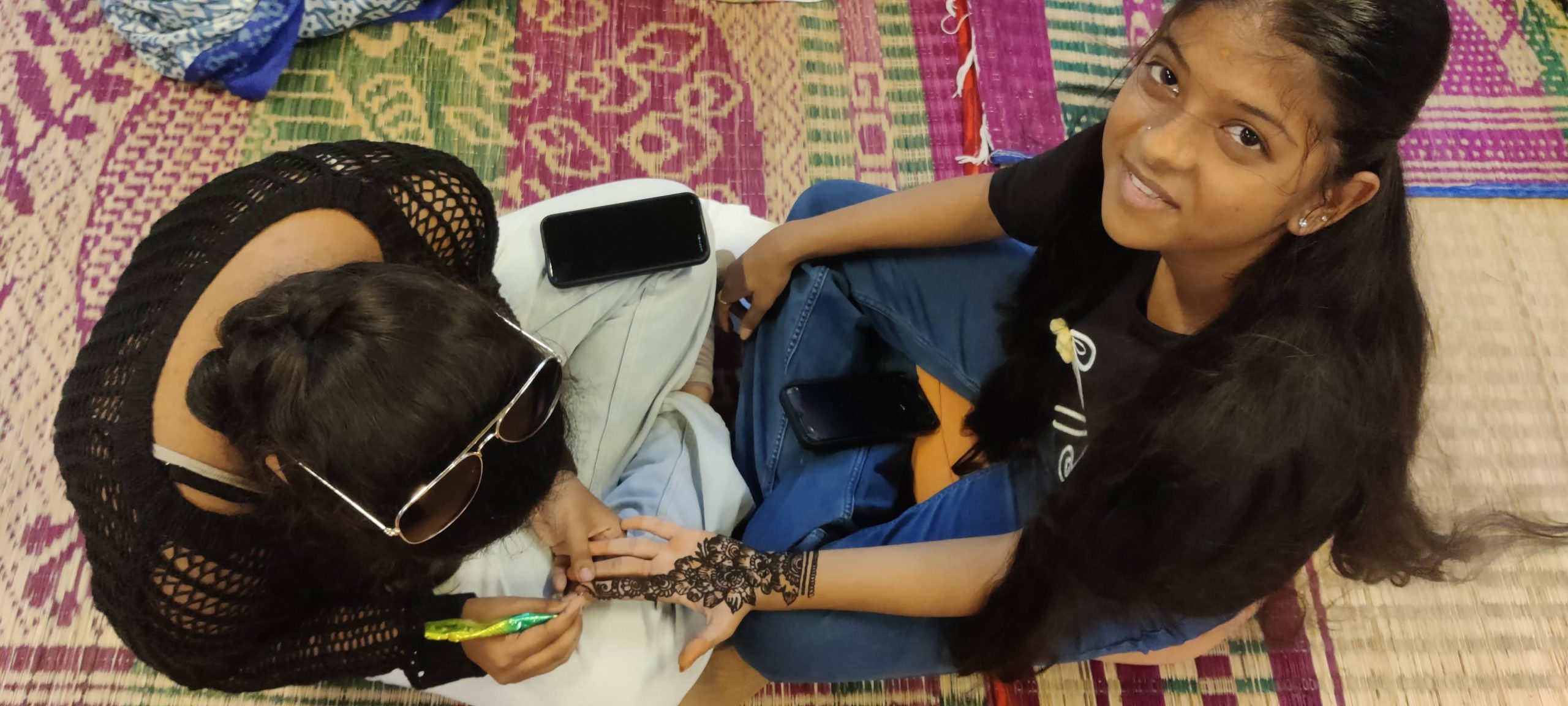
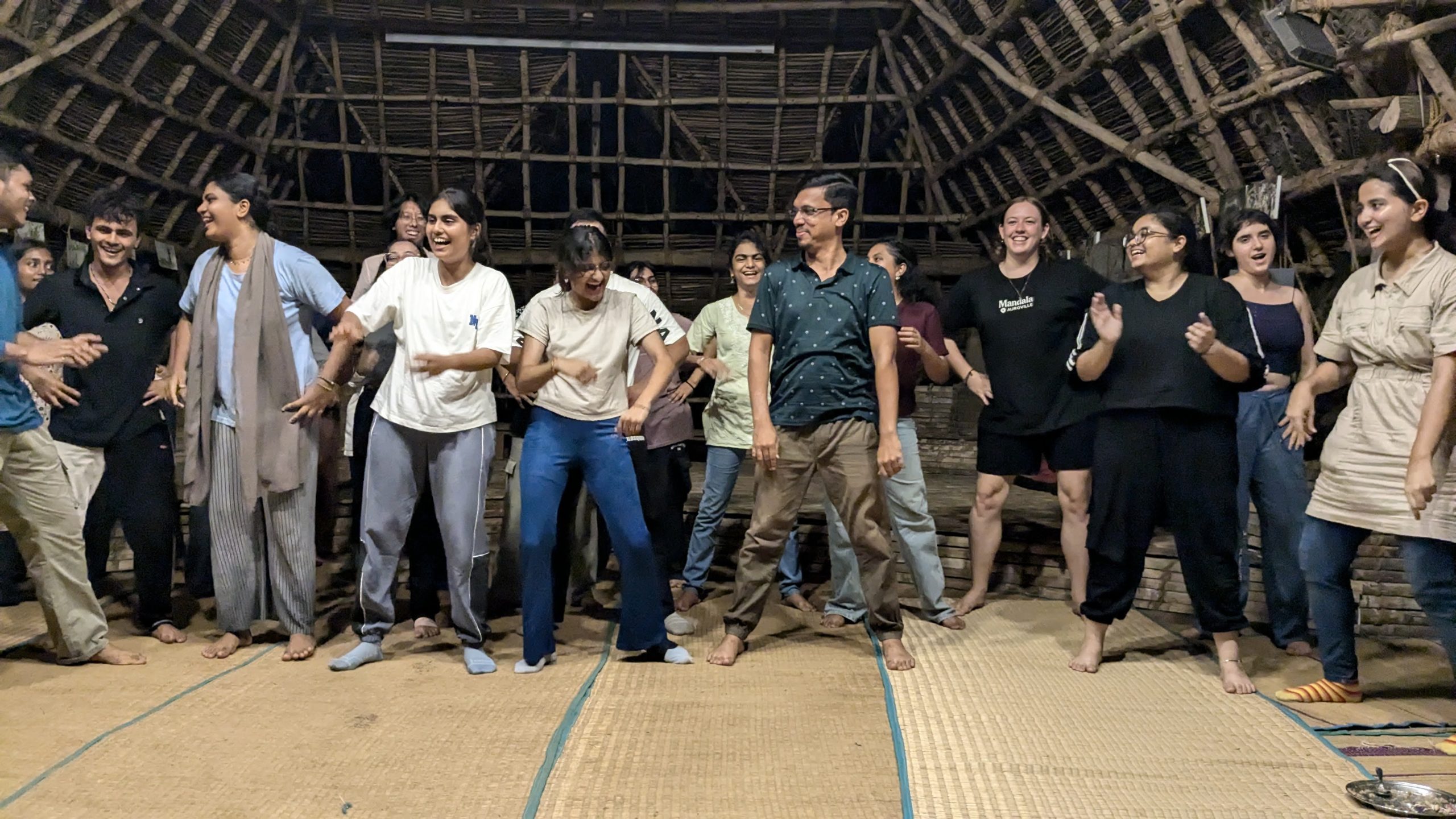
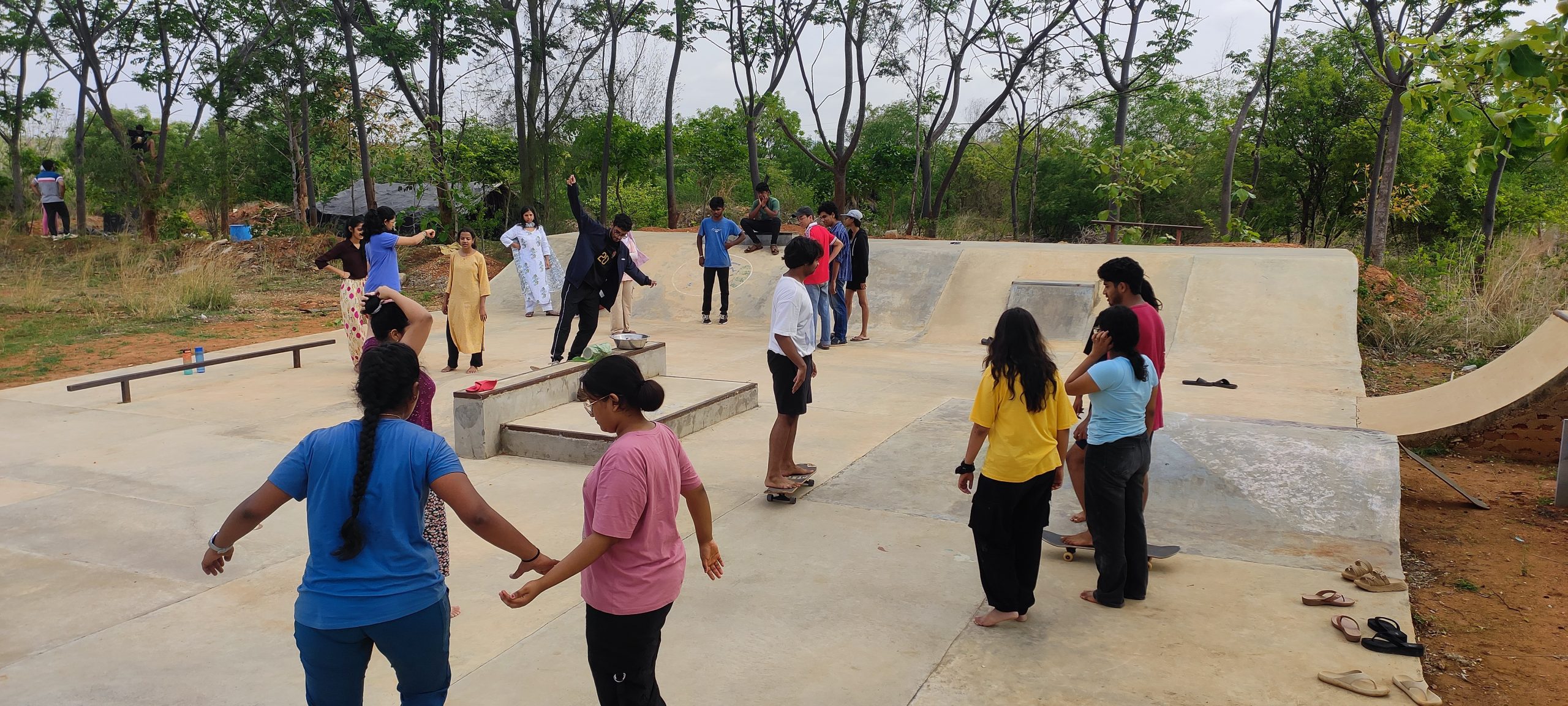
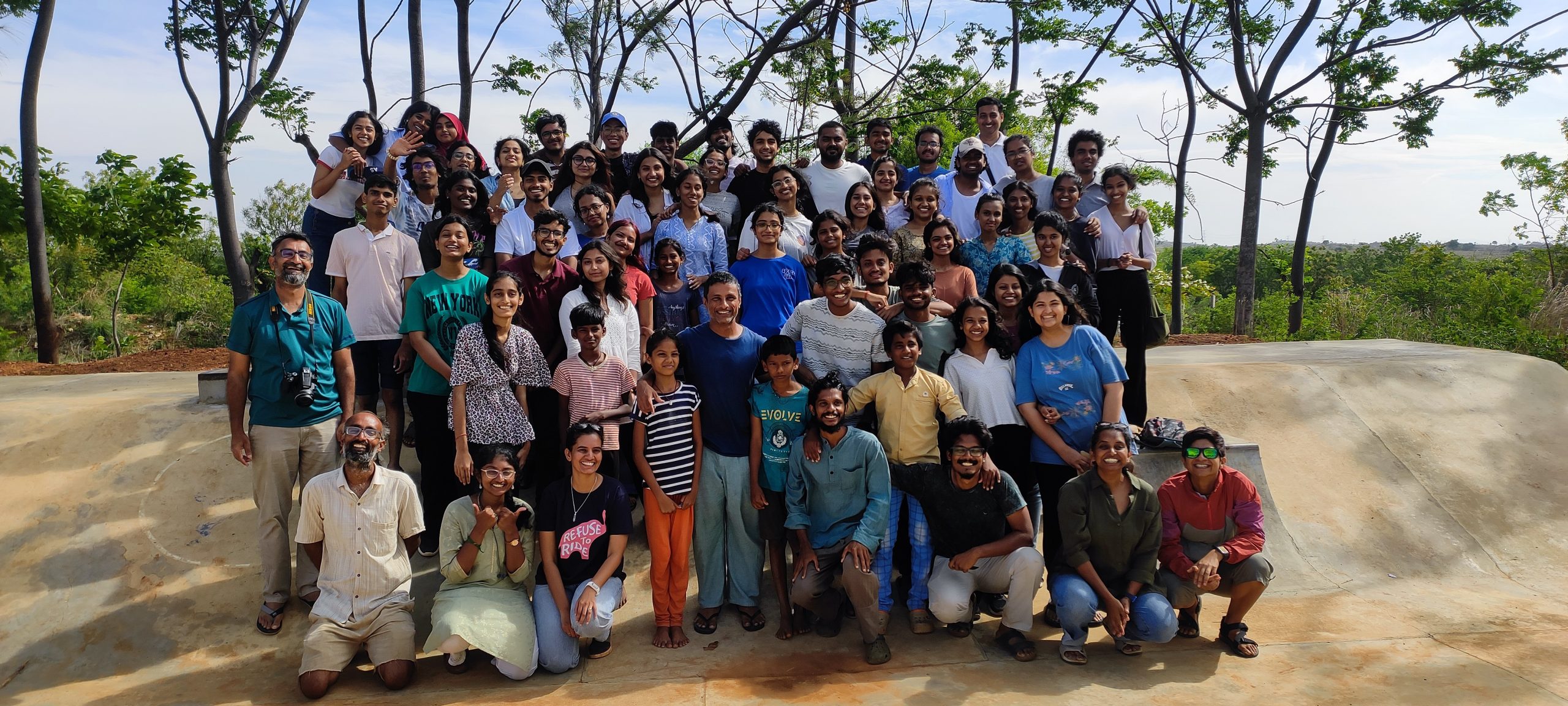
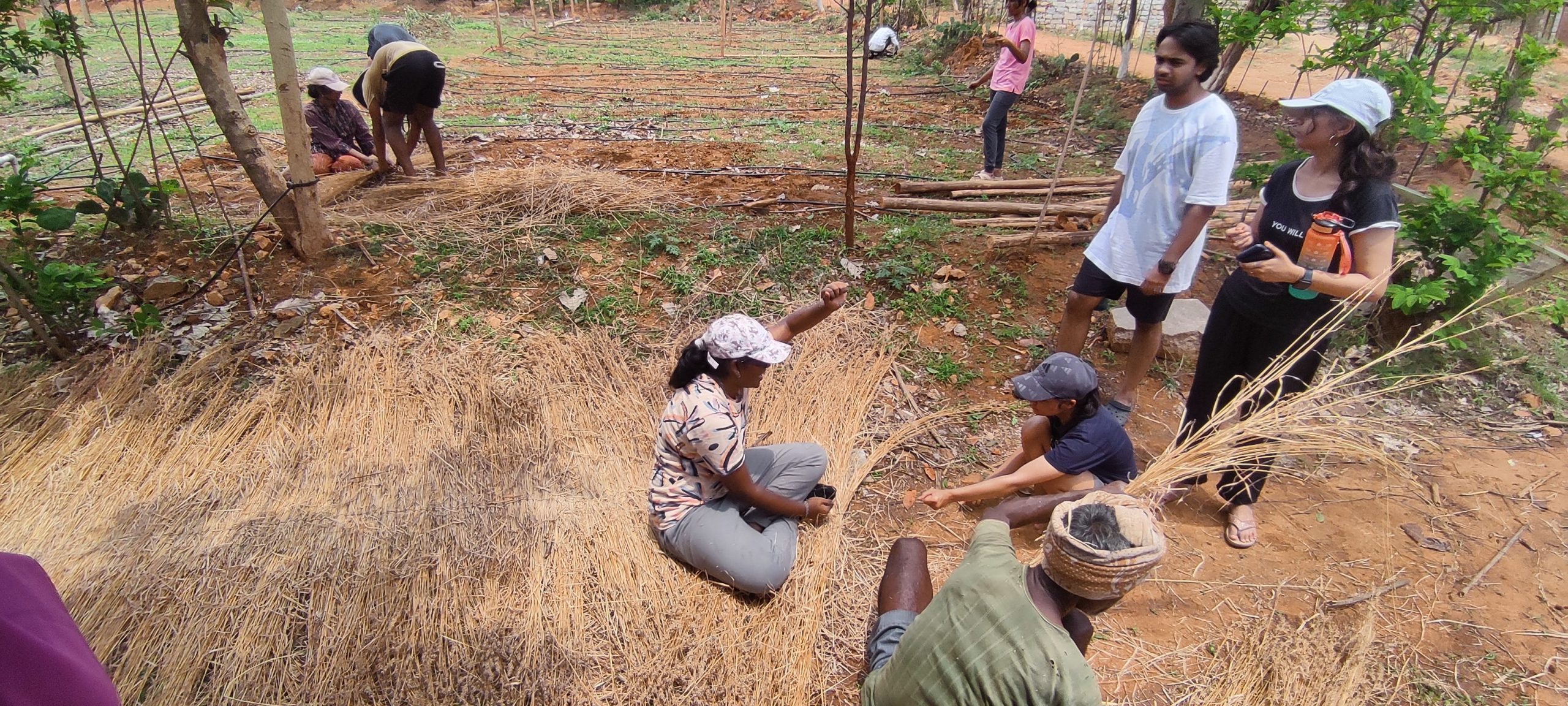
IIP 2024 (Proto Village, Andhra Pradesh)
 Academics
 Admissions
 Faculty
 Enquire